Description
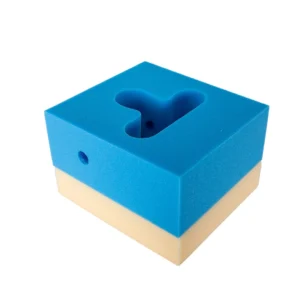
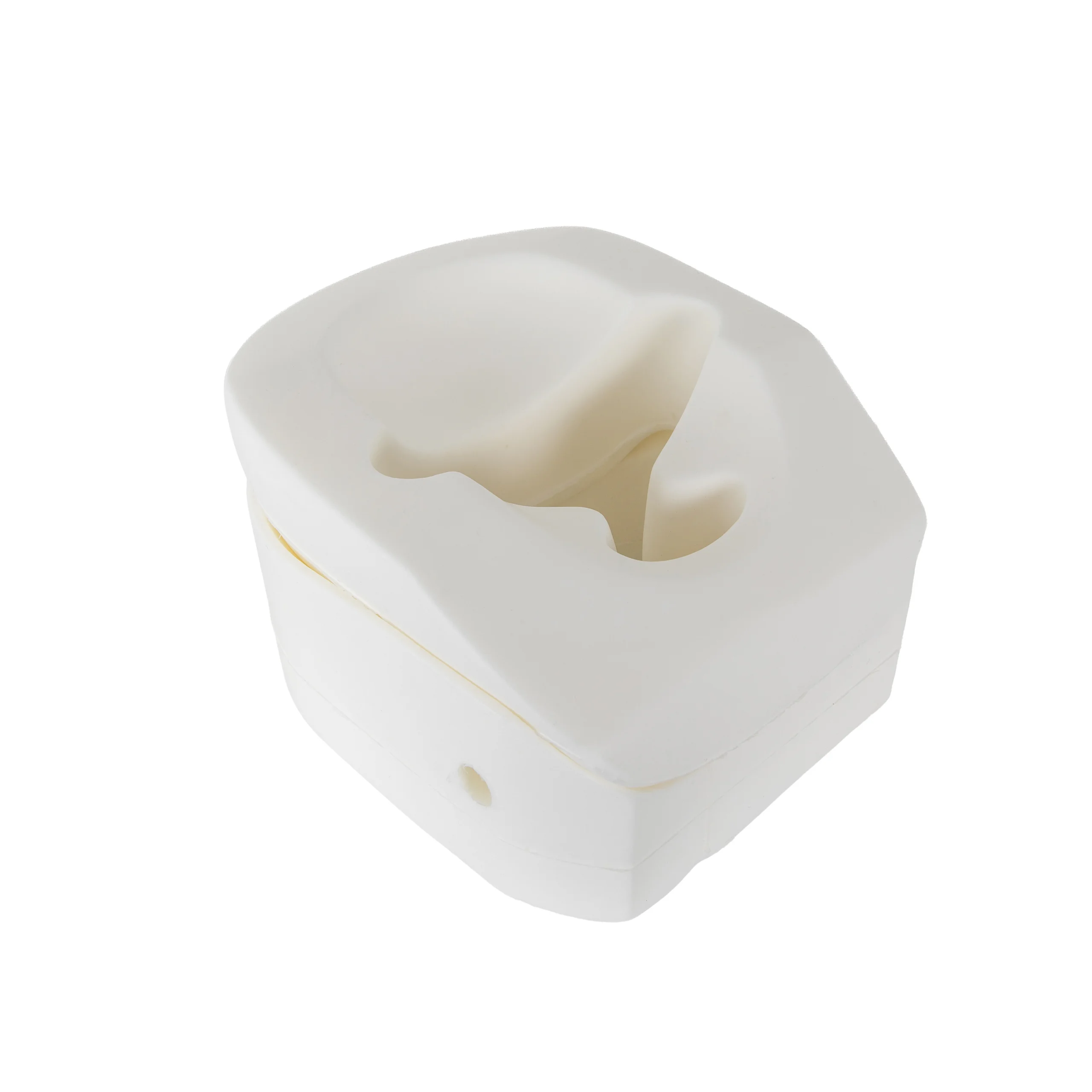
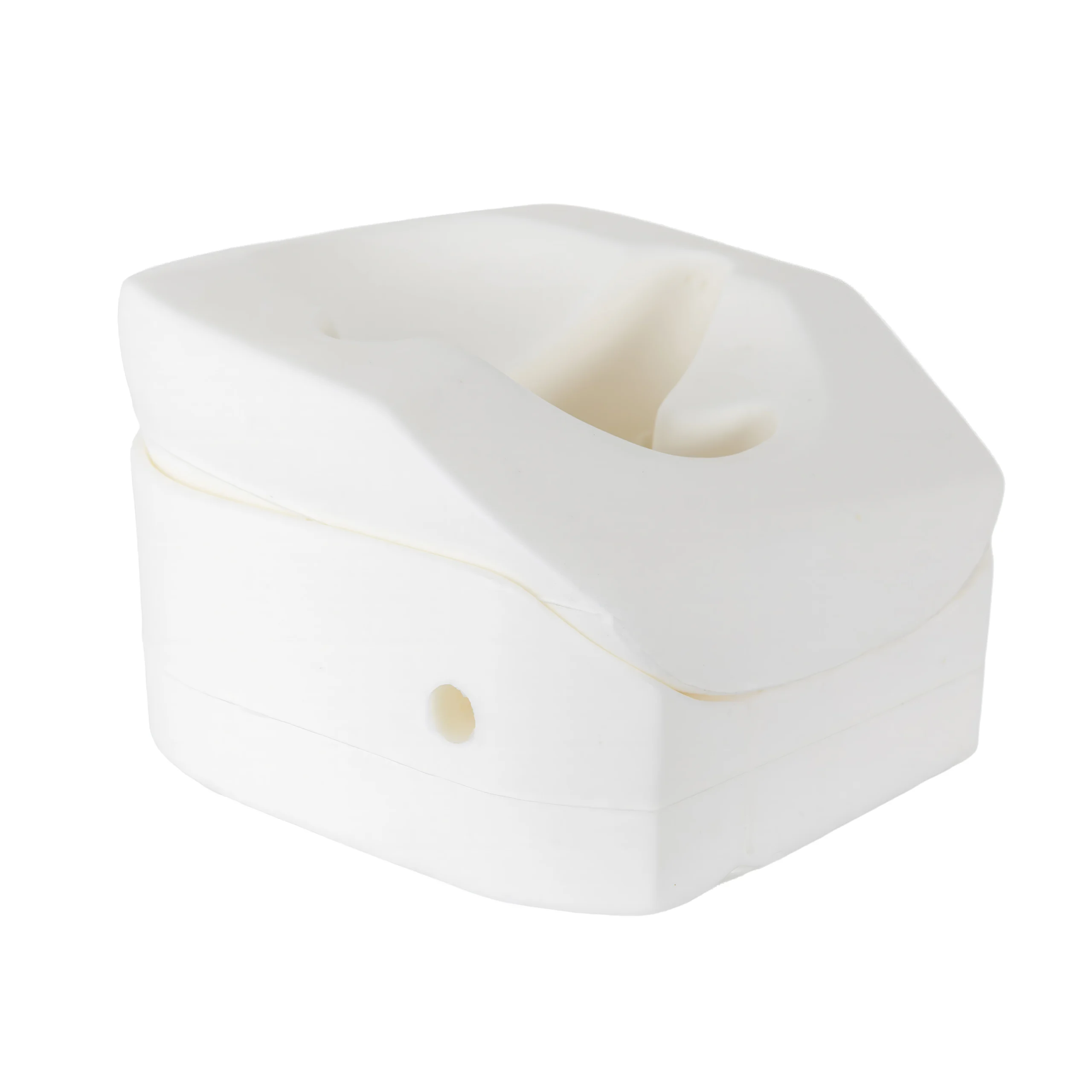
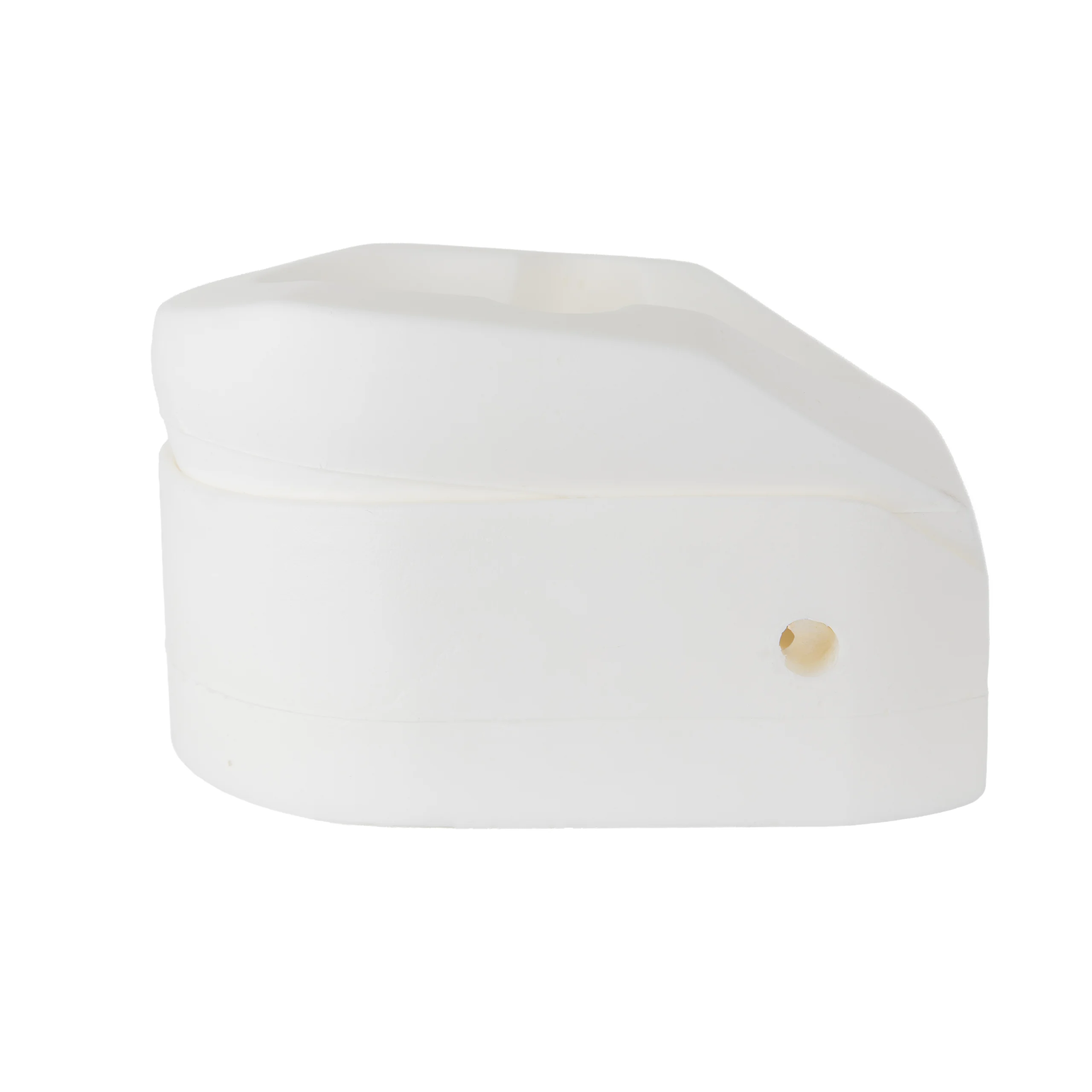
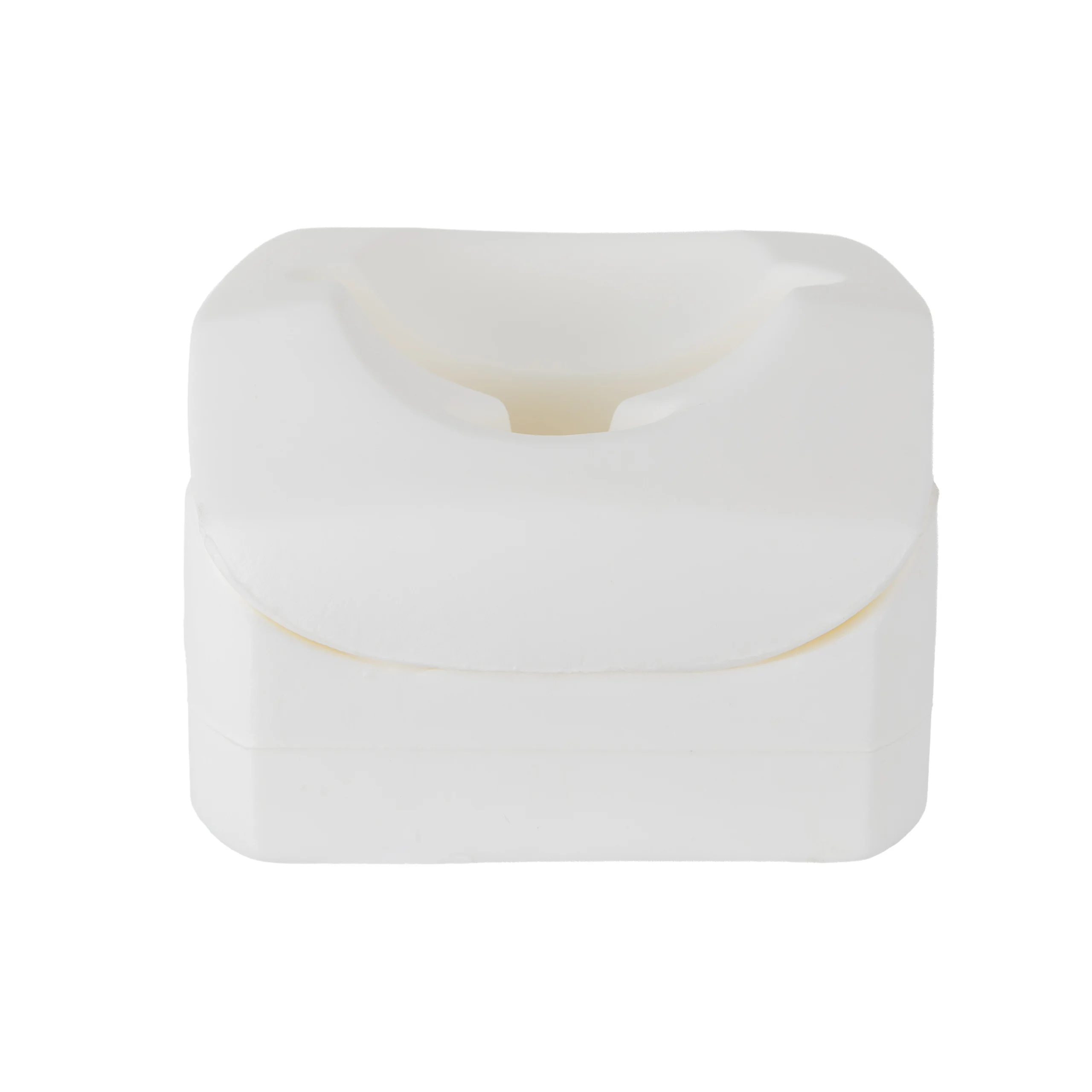
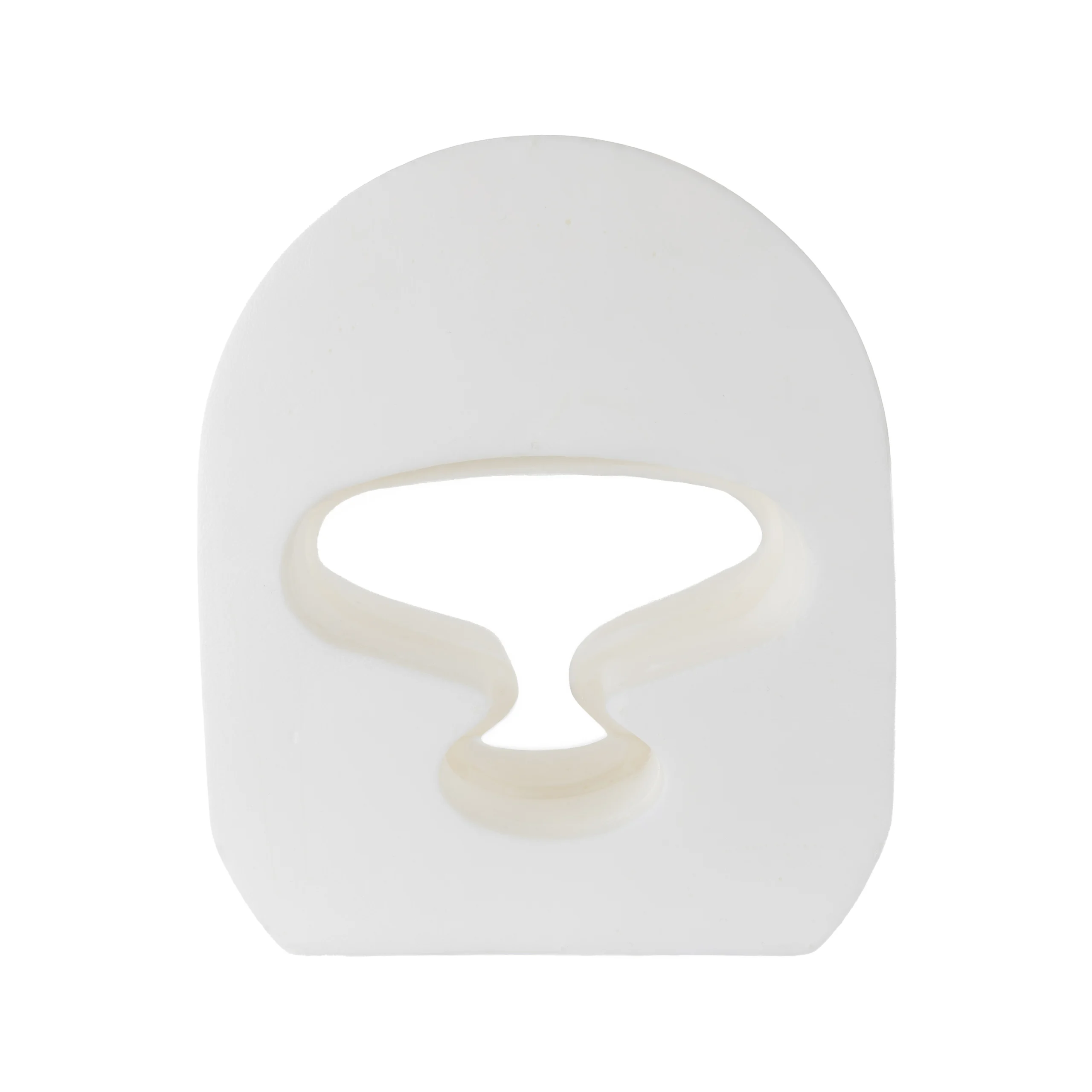
During prone-position spinal procedures, the Spine Pro Pillow supports the patient’s face and head and helps align the neck and spine. Flexible white polyurethane foam forms the pad, molded with a T-shape concave opening through its center that clears the patient’s eyes, nose, and mouth.
The inside edge of the T-shape cutout carries no glue, which keeps the bonding agent off the patient’s face and lowers the risk of pressure sores. The foam itself carries no hazardous classification, resists mildew, and will not aggravate common allergies.
The Spine Pro Pillow ships non-sterile, for single use only. Protective packaging guards it against contamination, compression, tearing, deformation, and other physical damage in storage and transit; materials and labelling follow approved specifications and controlled documentation for product identification and traceability.
Storage
Store the Spine Pro Pillow in a clean, dry, controlled environment, away from direct sunlight, excessive moisture, dust, and elevated temperatures. These conditions preserve the polyurethane foam and the adhesive bond.
Handling
Handle the Spine Pro Pillow to prevent contamination, compression damage, deformation, or separation of the bonded foam components. Personnel should follow approved handling procedures and good housekeeping practices to maintain product quality and cleanliness.